What changed
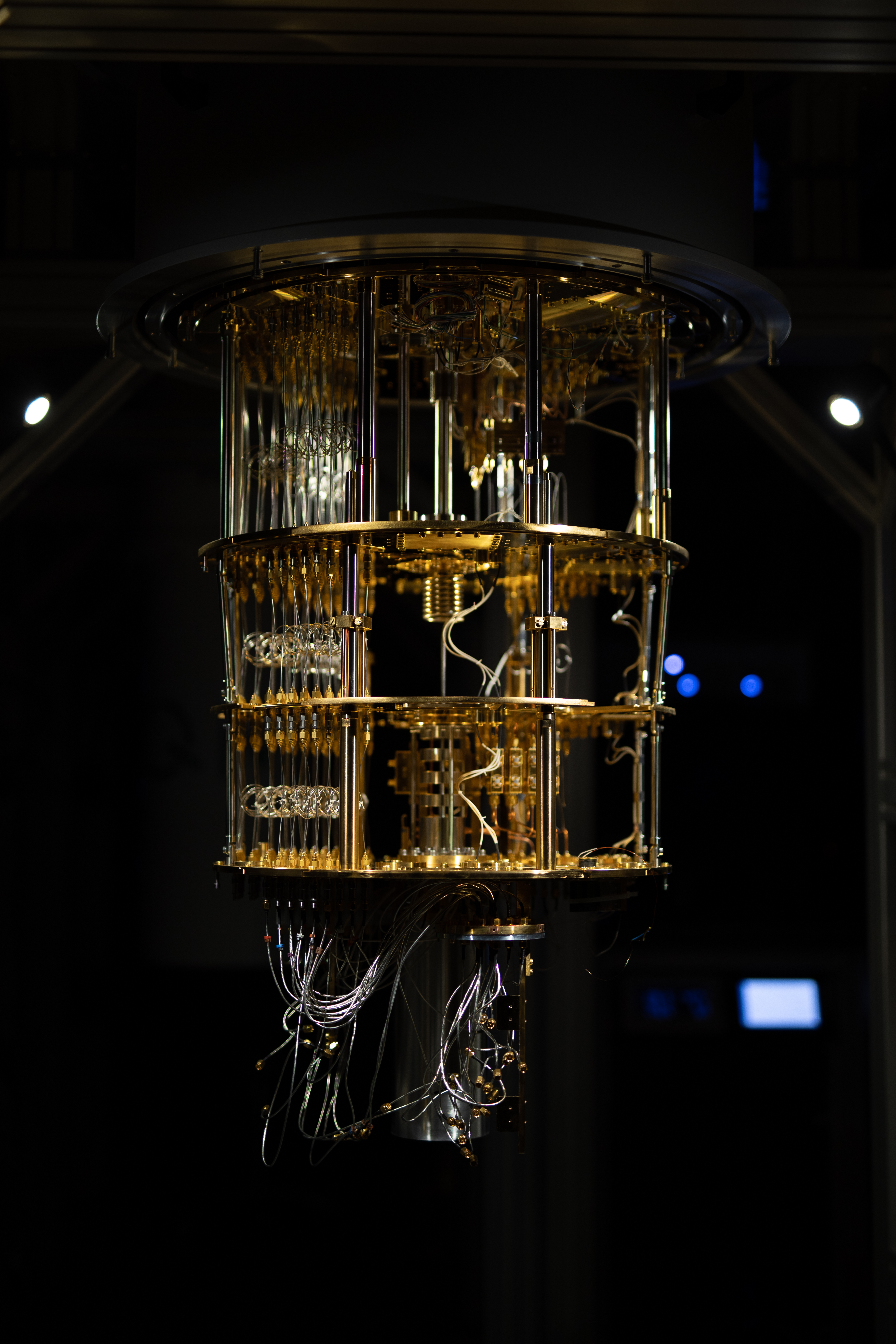
Google announced on October 15 that its Willow processor had demonstrated magic state cultivation in work published in Science. The technique prepares a resource needed for certain operations in an error-corrected quantum computer. The fresh milestone is the journal announcement: the experimental paper was already submitted to arXiv on December 15, 2025.
What the numbers measure
The researchers report a factor-of-40 reduction in state error, with fidelity of 0.9999(1), while retaining 8% of attempts. They discard attempts with detected errors. Fidelity describes how closely the prepared state matches the desired state; it is not the probability that an entire useful program will finish correctly. The paper also demonstrates switching the prepared state into a surface code, another quantum error-correction scheme. Quantum Computing Report's October 15 coverage describes the hardware milestone, but that reporting is not an independent replication.
Analysis: quality needs a production rate
Filtering can produce better states while throwing away attempts. For a future machine, both properties matter: how reliable each accepted state is and how many usable states the apparatus can deliver with its available hardware and time. A headline improvement in one error metric therefore cannot be translated directly into an equivalent improvement in computing speed, cost or commercial value. The important next comparison is the resource cost of supplying enough states for a complete calculation. That requires evaluating the preparation process alongside the rest of the machine.
What remains to be shown
Google explicitly says larger-scale demonstrations and further technical work are still needed. This result does not establish a delivery date for a practical general-purpose quantum computer. What to watch next is whether the approach preserves its quality advantage as the system grows, and whether useful state production can support longer computations. These are follow-up tests, not outcomes established by the October announcement.
What remains unresolved
The result does not establish production performance at the scale required for useful computations.
The Science landing page returned 403; technical claims were checked in the accessible primary preprint, not assumed from inaccessible journal text.
Development timeline
Initial coverage of the October 15 Science announcement, separating the measured state-preparation improvement and filtering yield from whole-system performance, and disclosing the earlier preprint.
The source trail
These sources support this report. Multiple documents from one organization are not independent corroboration.