United Launch Alliance reported a problem about 10 minutes after liftoff. The cause is unknown, and Amazon had planned to use Vulcan for roughly half of its first-generation broadband constellation.
The upper stage returned to its Texas launch tower after 14 orbits. Recovering both stages on the same flight and flying the recovered hardware again are separate tests.
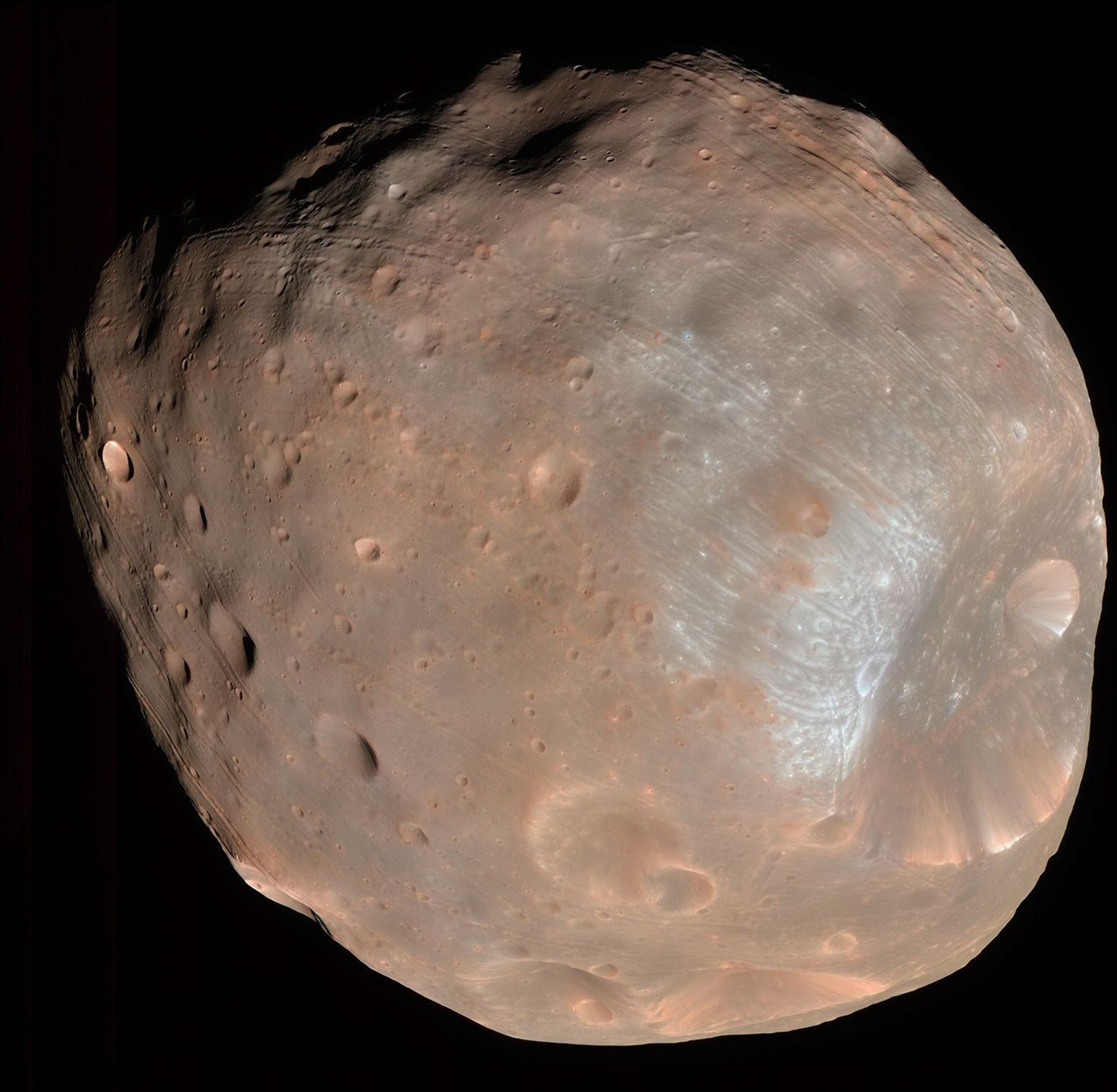
Europe’s spacecraft is flying slow, nearly straight legs around Didymos and Dimorphos. Its close survey could help explain why the 2022 impact shifted the moonlet’s orbit by about 33 minutes.
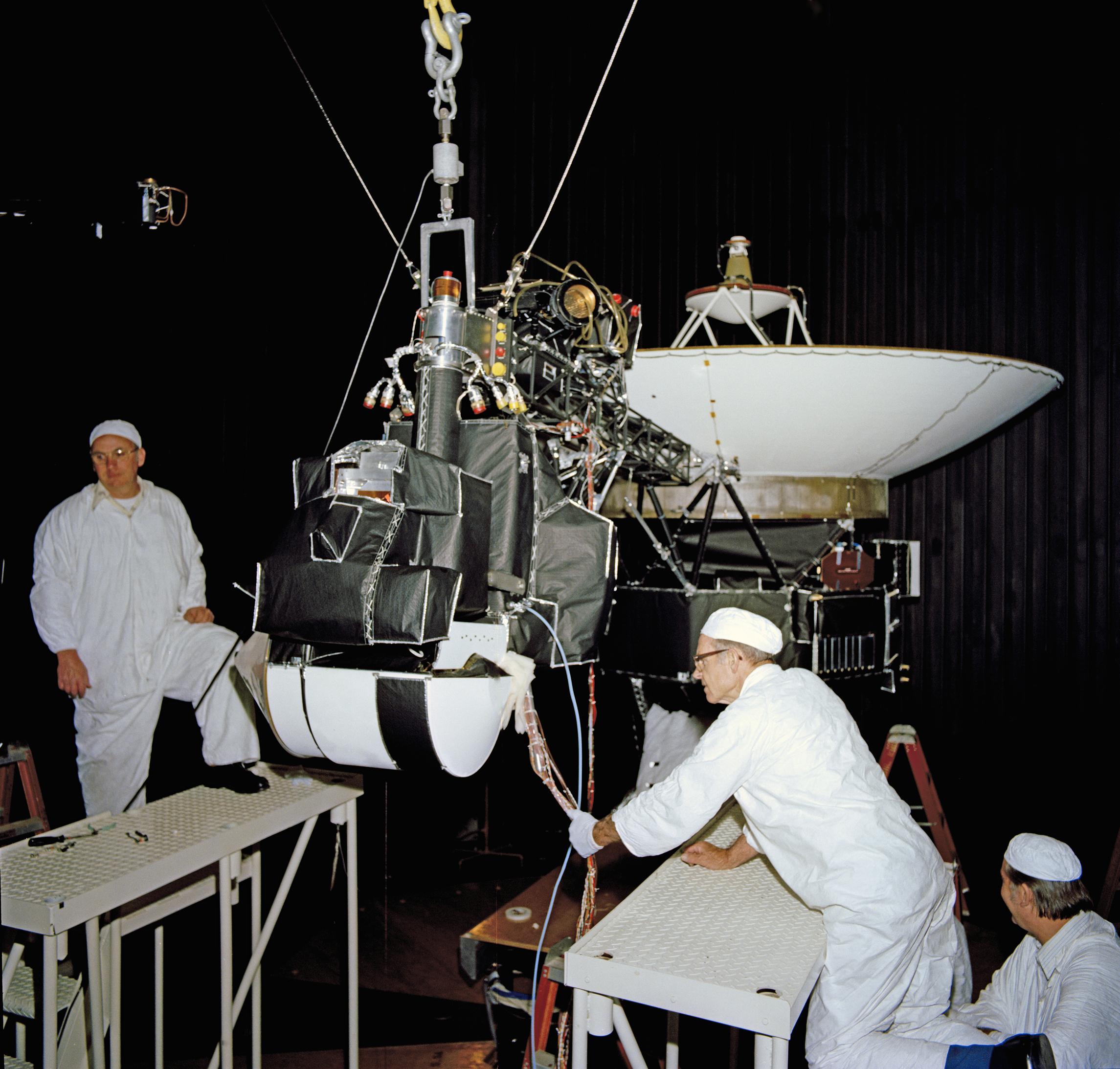
Blue and Gold fired their own engines while passing Earth. The maneuvers put them on course for Mars in September 2027 and show how a mission can launch before the planets are aligned.
NASA’s November 4 update closes the uncertainty over the observatory’s return to the atmosphere, without establishing where any surviving components reached the ground.
An October 29 mission update separates a successful power-saving operation from a later communications outage—and leaves the failure investigation open.
The UN Environment Programme's new lowest-overshoot pathway peaks around 1.7–1.8°C, then returns to 1.5°C or lower by 2100. Current policies and national pledges remain far from that route.
The proposed foundation model could replace a chain of specialized tools used to reconstruct collider events. Its real value will depend on validation, disclosure and performance on detector data.
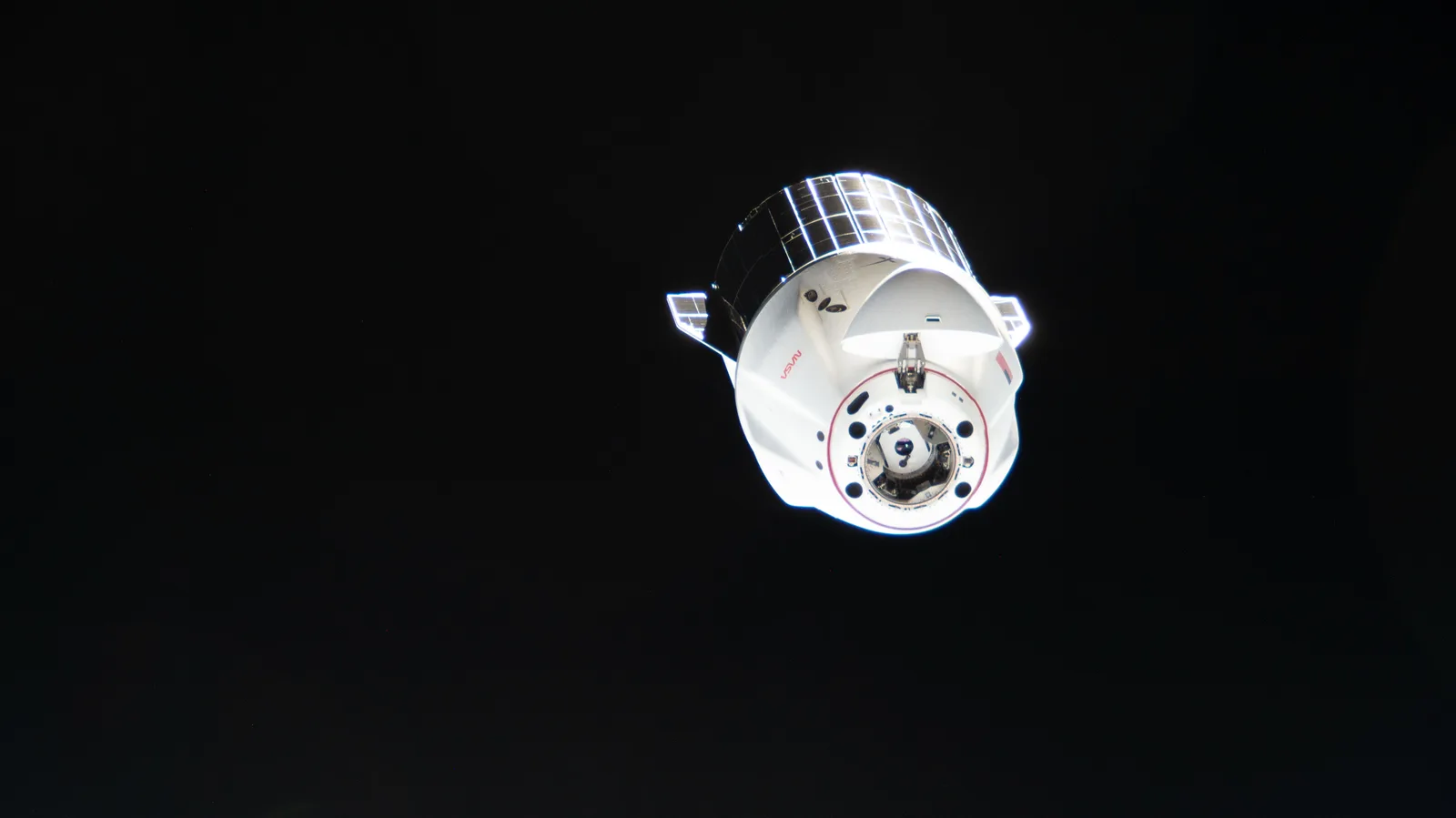
CRS-35 lifted off on October 13 carrying research, supplies and the final pair of roll-out solar arrays. Docking remains scheduled for October 15; the power upgrade still requires installation.