What changed
JAXA confirmed on October 18 that its Martian Moons eXploration spacecraft is scheduled to launch aboard H3 flight No. 10 from Tanegashima at 4:41:03 a.m. Japan Standard Time on October 20. That is 3:41:03 p.m. EDT on October 19. This is a launch target, not a report of liftoff. The latest notice lists a backup period running from October 21 through November 9.
What the samples could answer
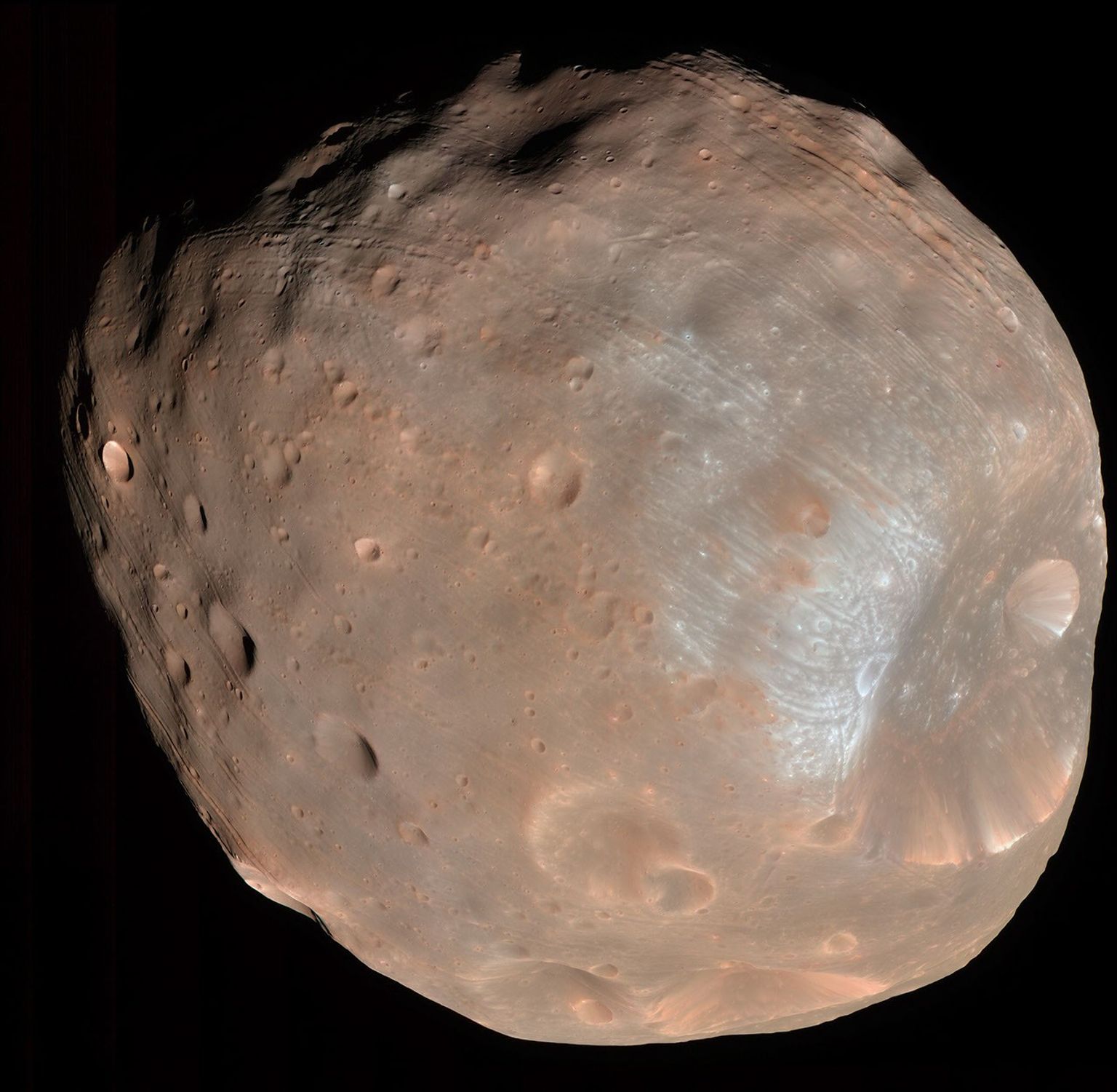
MMX is designed to investigate whether Phobos and Deimos were captured asteroids or formed from debris following an impact on Mars. The planned return of Phobos material would let scientists examine it with laboratory equipment on Earth, rather than relying only on measurements sent back by spacecraft. ESA describes a mission that combines remote observations, the Idefix rover and sampling by the main spacecraft.
The equipment behind the mission
NASA’s October 15 mission briefing identifies two U.S. contributions: the MEGANE instrument, which measures gamma rays and neutrons to investigate surface composition, and a pneumatic sampler that uses nitrogen-gas bursts to collect material. These complement Japanese sampling equipment. The briefing targets arrival at Mars in August 2027 and delivery of samples to Earth in 2031. Those dates remain mission plans, not achieved milestones.
Analysis: launch is the first gate, not the result
Factavelle analysis: the mission’s value depends on a chain of operations—reaching the Mars system, characterizing a small moon, collecting material and returning it intact. A successful launch would establish only the first step. Independent reporting by the Associated Press highlights the difficulty of landing and operating in Phobos’s very weak gravity. The useful test of progress is therefore completion of each phase, not the ambition of the launch announcement.
What to watch
Watch JAXA’s launch-status notices first, then confirmation that the spacecraft is on its intended trajectory. Later milestones include Mars arrival, rover operations and sample recovery. The outstanding scientific question is the moons’ origin; the announcement does not resolve it.
What remains unresolved
The launch and return dates are planned and may change.
The origin of Mars’s moons remains unresolved; no mission samples have yet been returned.
Development timeline
October 18 JAXA launch-time confirmation supplies a fresh, concrete mission milestone ahead of the planned October 20 JST flight. This new canonical story explains the distinction between launch readiness and the later sample-return scientific test.
The source trail
These sources support this report. Multiple documents from one organization are not independent corroboration.